Why is peace not welcome?
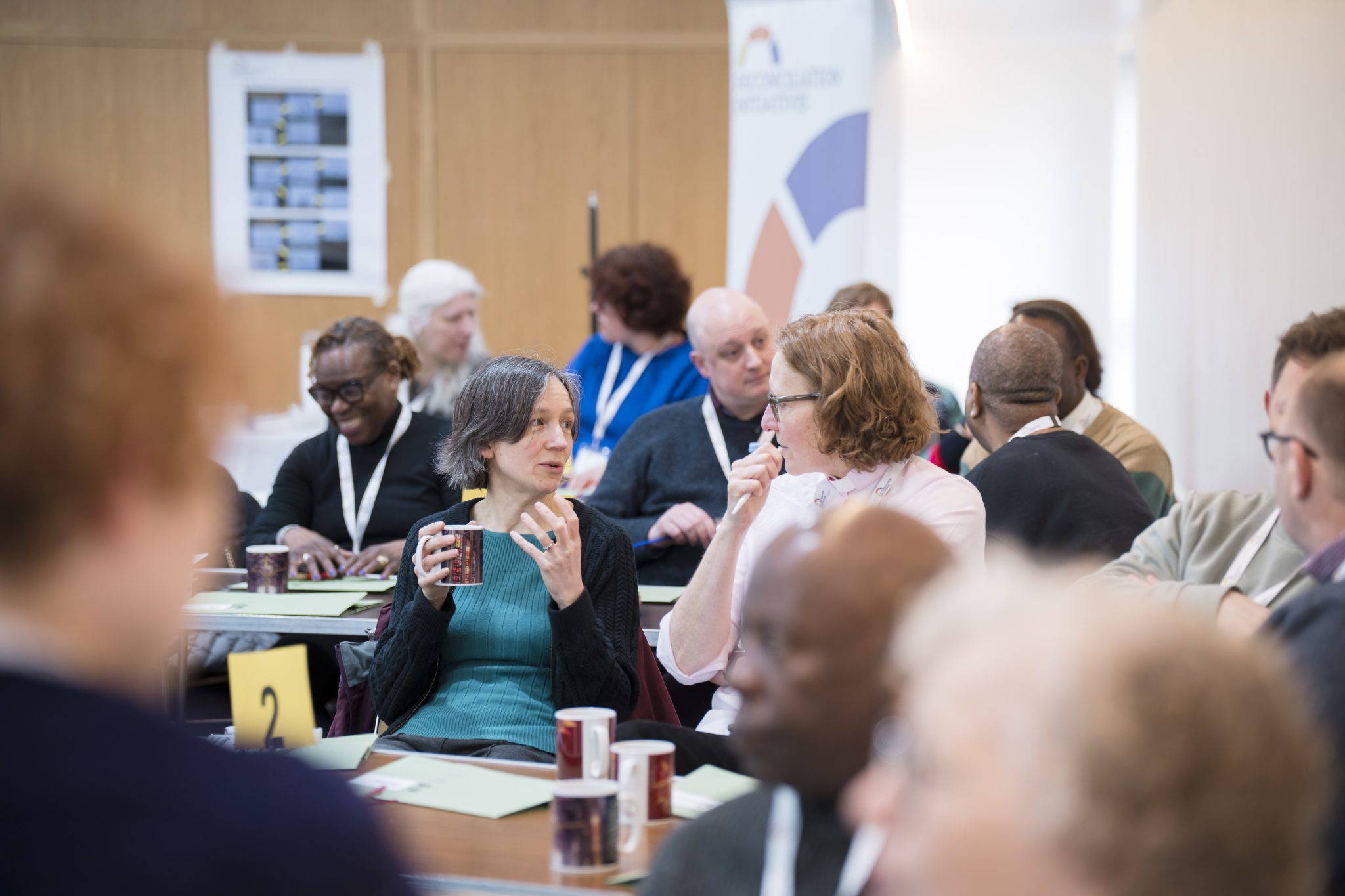
This was a great question asked by Isabelle Hamley at a conference at Coventry Cathedral this week.
True, shalomic, just-peace is not welcomed because it’s hard work and entails that we practice a range of disciplines. As I set out in my first book, Bridgebuilding, these include practices of: knowing oneself and valuing others; growing in emotional maturity; being real about power; using good theory; making space for feelings, silence and touch; loving one’s enemy; and building a creative culture together. And more besides.
There’s another reason that peace, the peace that the resurrected Jesus offers us, is not welcome: it’s about all people flourishing. Including all the people I really don’t like, and would prefer to avoid including. As my musical hero, Bruce Cockburn recently sung (“Orders”):
The pastor preaching shades of hateThe self-inflating head of state
The black and blue, the starved for breadThe dread, the red, the better dead
The sweet, the vile, the tall, the smallThe one who rises to the callThe list is long as I recallOur orders said to love them all.
Most of us turn away from a genuinely all-inclusive vision of just-peace. It’s too uncomfortable. It’s much easier to want to exclude those we don’t like, or those we might want to blame, shun or scape-goat. Ask those figures inciting hatred against people seeking asylum and refuge in our country, and gaining popular support for doing so.
Are we tired of working for a just-peace, for a deeper reconciliation of all people? And do we want to include our care for all of creation in that work?
I was reminded this week that our life on today’s earth is but a dress-rehearsal for the life of heaven. So, all that we practice in building bridges and seeking for deeper peace is a preparation for the work we’re going to be participating in heaven. All our human differences and diversity – and all the potential for conflict – will be present in the recreated heavenly earth. But when we become part of that glorious final performance we will bring all of our gifts, creativity and the best of our peacemaking practices to addressing our potential conflicts. That’s what’s going to make the life of heaven such a stimulating and enjoyable way to spend eternity.
Wishing you a blessed and joy-filled Easter season.
Alastair McKay, Executive Director
Welcoming PMC into the RI fold
We’re pleased to announce that Reconciliation Initiatives is welcoming Partnership for Missional Church (PMC) into the RI fold.
PMC has been a demanding 3-year culture change process in local churches, based on solid research and involving the application of six core spiritual practices alongside the development of “spiritual leadership.” PMC was incorporated into the Church Mission Society’s (CMS) offerings back in 2016. Several Church of England dioceses, including Bath & Wells, Durham and Ely, came on board and supported groups of parishes in engaging with the process. However, since the global pandemic in 2020, no new dioceses have sponsored participating groups.
There’s always been significant complementarity between the PMC practices and RI’s offer through Reconciling Mission. From the outset, we’ve offered PMC’s “Dwelling in the Word” practice as one of the core elements of the initial residential. During the current review of our programme, the Trustees and staff have concluded that it would be good to incorporate a more structured approach to effecting cultural change in how churches approach missional engagement with their local neighbourhoods. Integrating more of the PMC practices into Reconciling Mission along with the principles of spiritual leadership has emerged as a creative way to achieve this.
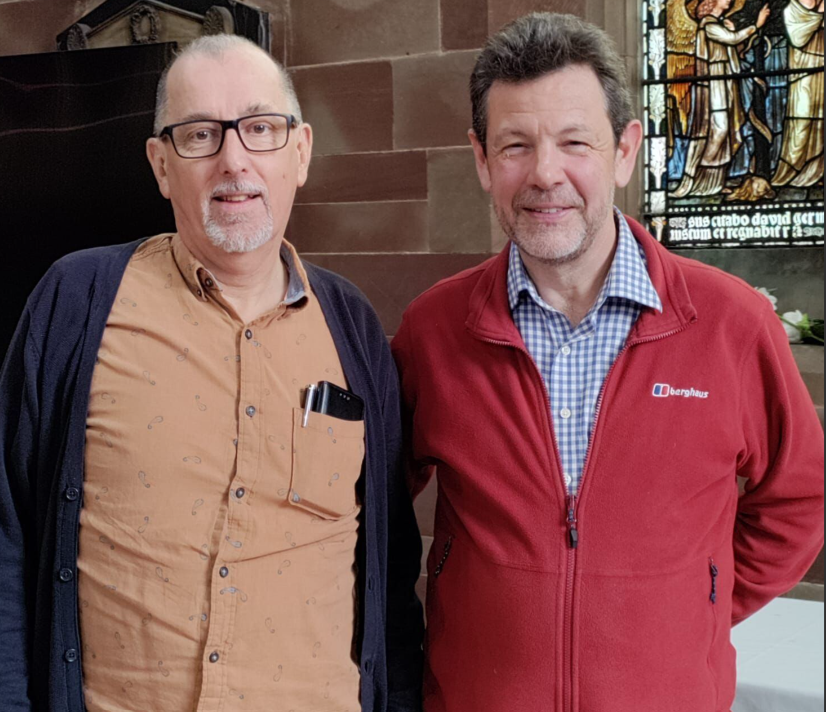
Revd Canon Dr Nigel Rooms has headed up PMC since its incorporation in CMS’s offerings. Nigel will now be coming on board as a formal Associate of RI, with effect from the beginning of September, with PMC being handed on from CMS to RI.
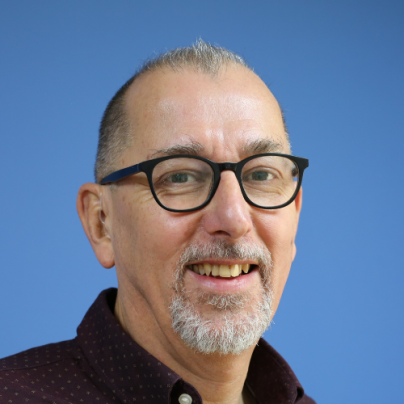
PMC’s director, Nigel Rooms says:
“I’m really pleased that we’ve found a new home for PMC, and I’m excited about joining the thriving RI team as their work continues to grow and develop.”
“As well as integrating PMC practices into Reconciling Mission, I look forward to evolving the full range of PMC practices into a modular form which can be more easily picked up by local churches around this land. The need for a fundamental change in missional culture remains a challenge that I want to continue addressing with my new RI colleagues.”
Alastair McKay says:
“I’ve known and respected Nigel’s work over many years, and I’m delighted that Nigel will be joining the RI team. I look forward to working with him in discerning how best to integrate PMC practices into our Reconciling Mission programme, so that we can contribute more powerfully to effecting cultural change in missional practice by local churches in Britain.”
Follow us on social media developments as they happen!
Reconciling Mission conference at Coventry Cathedral
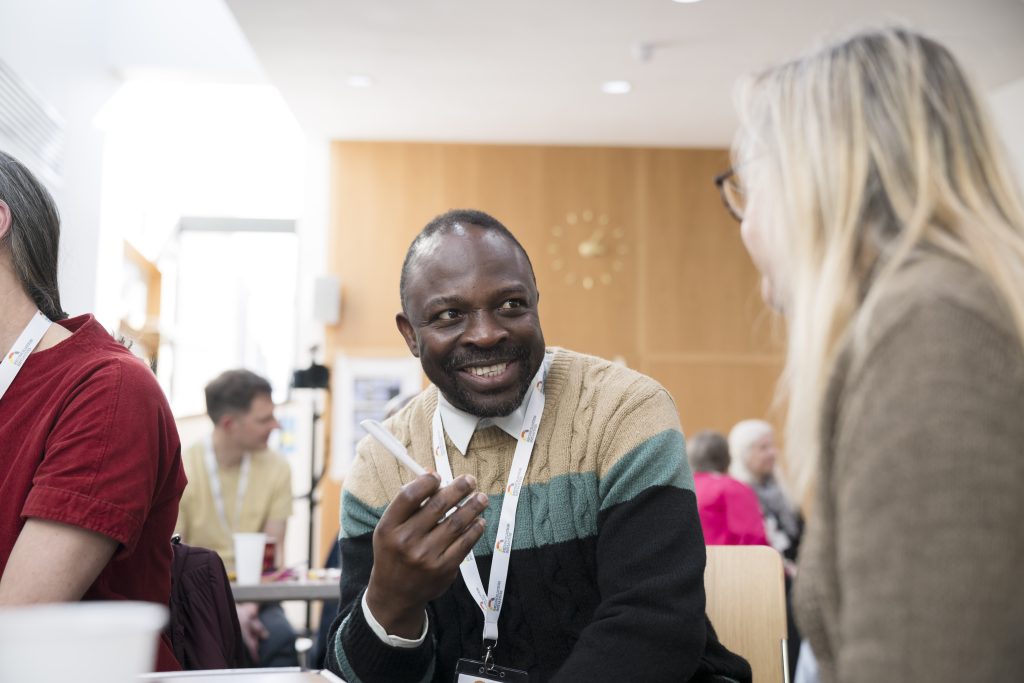
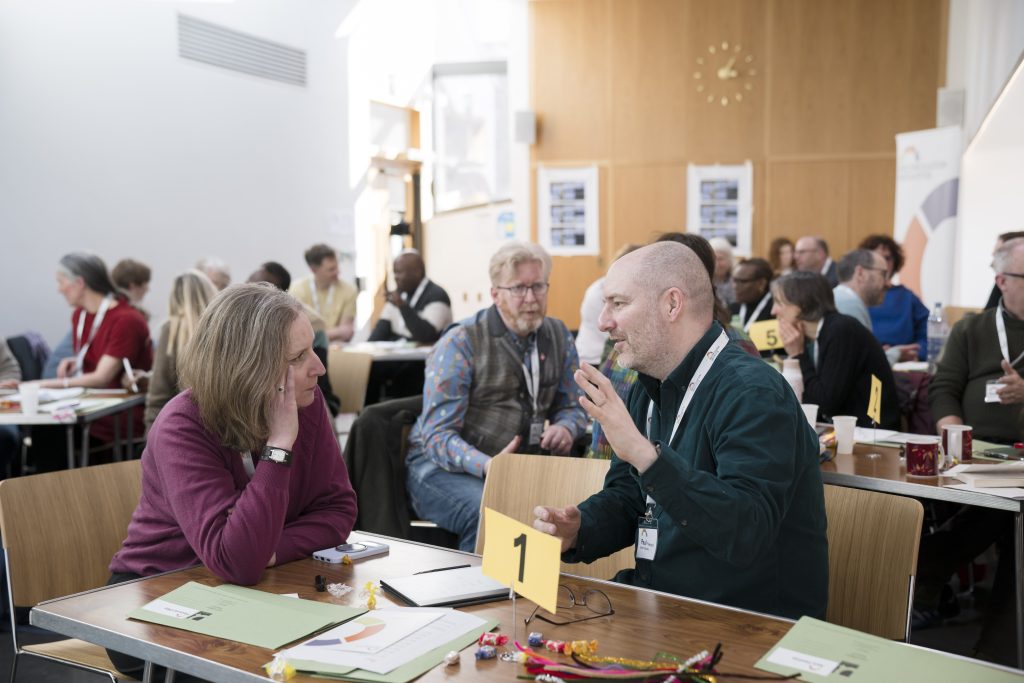
Our annual Reconciling Mission conference was held at Coventry Cathedral on 17 March 2026. We welcomed the brilliant Revd Dr Josh Cockayne as our keynote speaker to help stimulate thinking for participants in our Reconciling Mission programme. 5th cohort members from the dioceses of Durham, Newcastle and Southwark helped celebrate the work of the graduating 4th cohort: together we enjoyed hearing participants from the dioceses of Bristol, Leeds, Lincoln, and York reporting on what they had learnt and gained from the programme, and the ways their churches had shifted in their lcoal missional engagement.
Follow the links below to hear more about the day or watch the keynote address.
Reconciling Mission conference 2026, 17 March, Coventry Cathedral
Revd Dr Josh Cockayne: “Listening to Laity: Synodality, Spirituality, and the Mission of God“
Kenya: upcoming Peacemaking Training of Trainers
RI’s work in Kenya continues to build momentum following the launch last year with an residential for Bishops and spouses from the Mount Kenya Region. In May, 22 experienced leaders nominated by their Bishops, from the same 8 dioceses, will participate in RI’s inaugural Peacemaking Trainers of Trainers residential programme. This will resource these leaders to offer grass-roots training in handling conflict for others, to cascade the learning and magnify the impact. The ACK dioceses represented are: Embu, Kirinyaga, Mbeere, Meru, Mt Kenya Central, Mt Kenya West, Nyahururu and Thika.
Our director, Alastair McKay, our Kenya project manager, Fedis Nyagah, will be joined by Roxy Allen Kioko and her husband Felix Kioko to lead this latest exciting initiative. They will work together with the programme participants to develop a new community of practice, to provide ongoing support and learning as they roll out local training with people in their dioceses.
Looking further ahead, to October 2026, phase two of the project will work with a second cohort of Bishops and their spouses from the the Tsavo region. This is likely to include the dioceses of Garissa, Kitui, Machakos, Malindi, Mombasa, Mukueni, and Taita Taveta. With an ensuing training of trainers programme for these dioceses following in 2027, God willing.
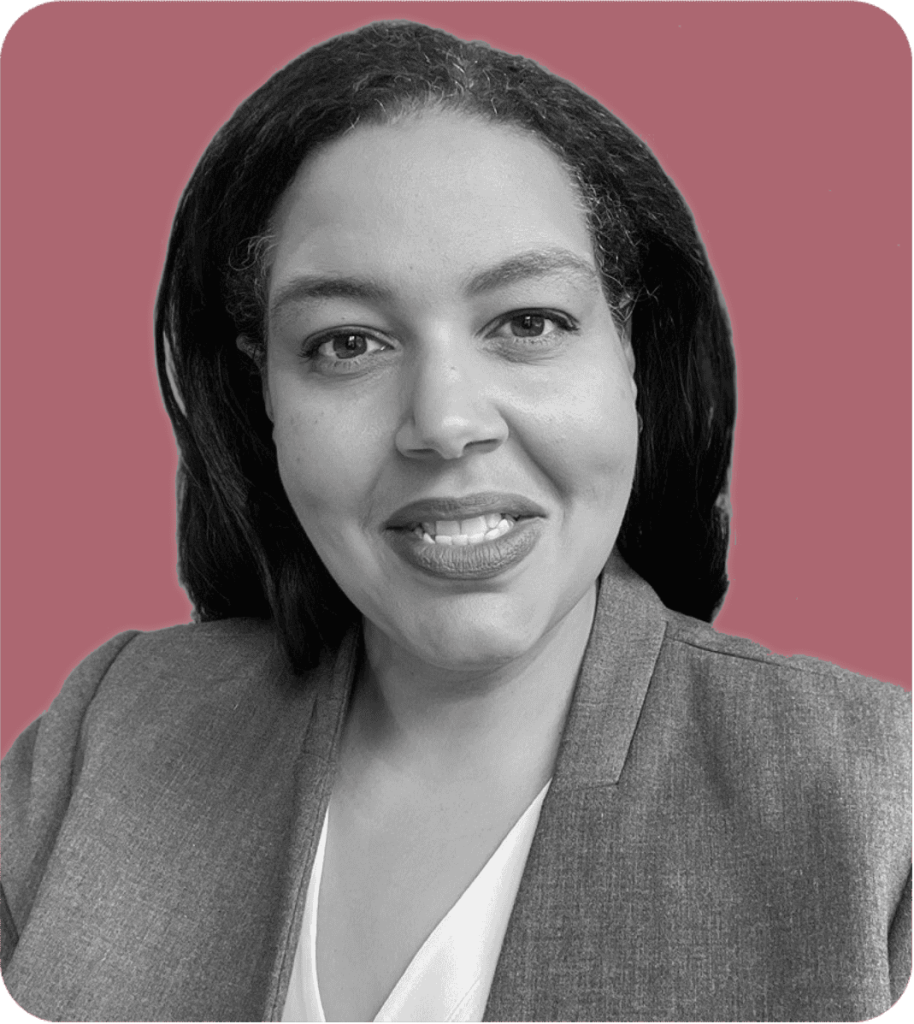
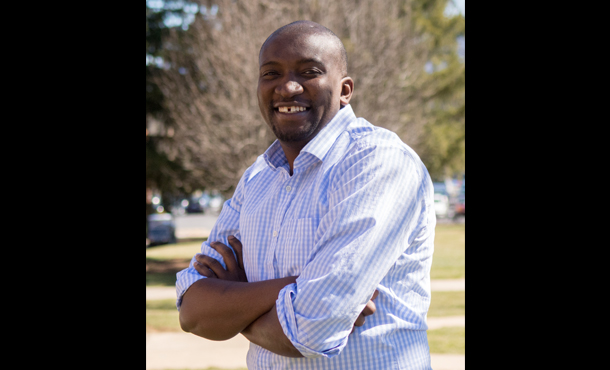
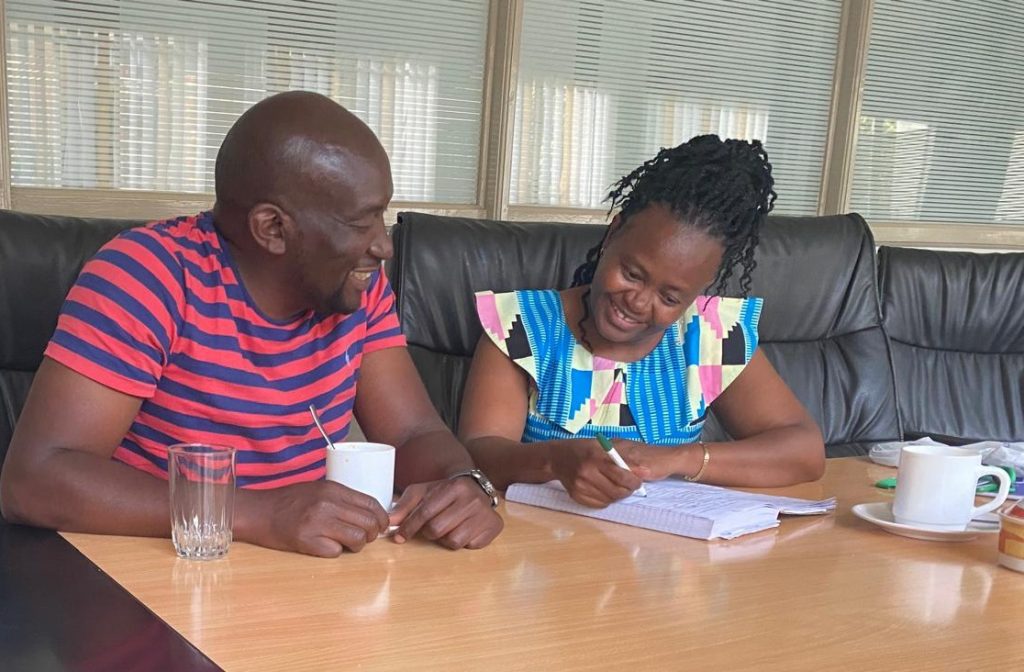
Kenya Project Manager, Revd Fedis Nyagah making plans with project trainer, Felix Kioko, back in January.
Prayer requests

We welcome your prayers for Reconciliation Initiatives. In particular for:
- Nigel Rooms and the RI team as we integrate Partnership for Missional Church (PMC) into the RI fold, and develop PMC practices in modular form.
- The successful delivery of the Peacemaking Training of Trainers residential in Kenya, 18-22 May, and for fruitful follow up by participants in delivering training in their dioceses.
- The continued progress of 5th cohort of the Reconciling Mission programme, with participants from the dioceses of Durham, Newcastle and Southwark.
- The emerging plans for a new digital resource to disseminate key Reconciling Mission insights and approaches with local groups more widely across Britain.
Thank you for remembering us in your prayers. May you be blessed as you join us in God’s reconciling work.
Grace and peace to you,
Revd Dr Alastair McKay, Executive Director.